I read another one of these. It was fun. I will be reading more of them in the future.
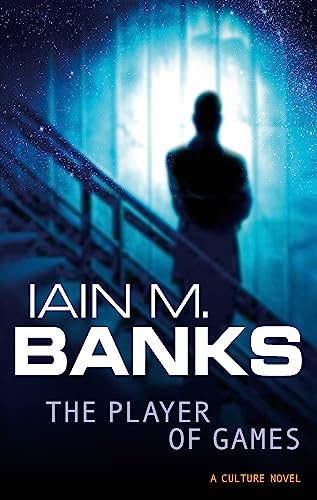
The Player of Games is the second novel in The Culture series. It has no reoccuring characters from the first novel. It focuses on a different people within the Culture doing different things.
The Culture is a galactic civilization, and from all descriptions of it, it is Utopian. That’s the premise, and I guess the promise. I am really enjoying the world building here in this series so far, and it is working by being pretty vague. So far, in the two Culture novels I have read (this time around) little of the action of the story takes places on worlds controlled by the culture. Instead, we get characters taking about what it is like to be a part of the culture. A lot of it is sci-fi techno utopianism (people can willy-nilly have sex changes: AIs run the show: don’t like where you live? Go to some other planet: New laws to speak of: do as you like), and some of it is standard Utopianism (no currency, no real government), and of course, as is the case with sci-fi, it all works so long as you don’t look under the hood.
The Player of Games from the title is a citizen of the Culture whose hobby is playing games. No one in the Culture plays games better than him. So, he gets contacted by the Culture secret Service AI’s who tell him about another galactic civilization whose whole empire runs on a game that they play. So the protagonist gets involved, and adventures insue.
Banks is really good at the ‘adventures ensue’ part of the writing. He is also good at describing a person playing a game in a way that, amazingly, didn’t have me bored.
One thing I have always hated about a lot of series, particularly sci-fi series, is that the authors accidentally end up making the universe smaller as the story goes on. The worst example of this is from Star Wars, where the longer you watch it the more you are convinced that there are only about a few dozen people in the whole galaxy, and that is why you seem to be running into the same characters over and over again. I was tickled that there were no reoccurring characters here. That everything in the book was new to this story. In fact, the way the Idrian war of the previous novel was a ‘blink-and-you-miss-it’ passing reference gives you the feeling that this is indeed a massive setting, and those events that seemed so big in the previous book are barely known. That, to me at least, is Space Opera scope done right.
I guess there is a supposed ‘big twist’ at the end, when you find out that the protagonist of this story (the ‘player of games’ in question) was in fact a pawn in the Cultures larger game the whole time. It’s not that I didn’t like it, but I didn’t love that it was spelled out for you. I think I had figured it out on my own.


